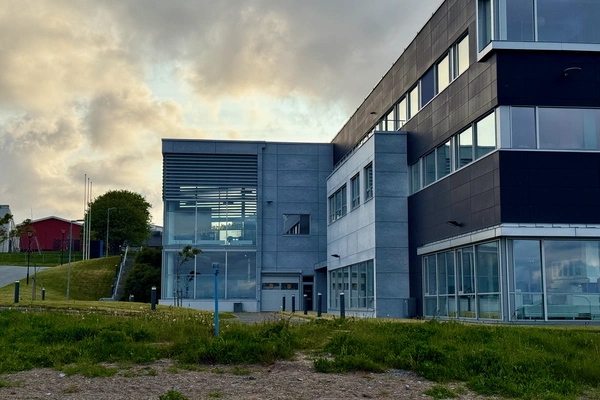

Aquaculture & Hatchery
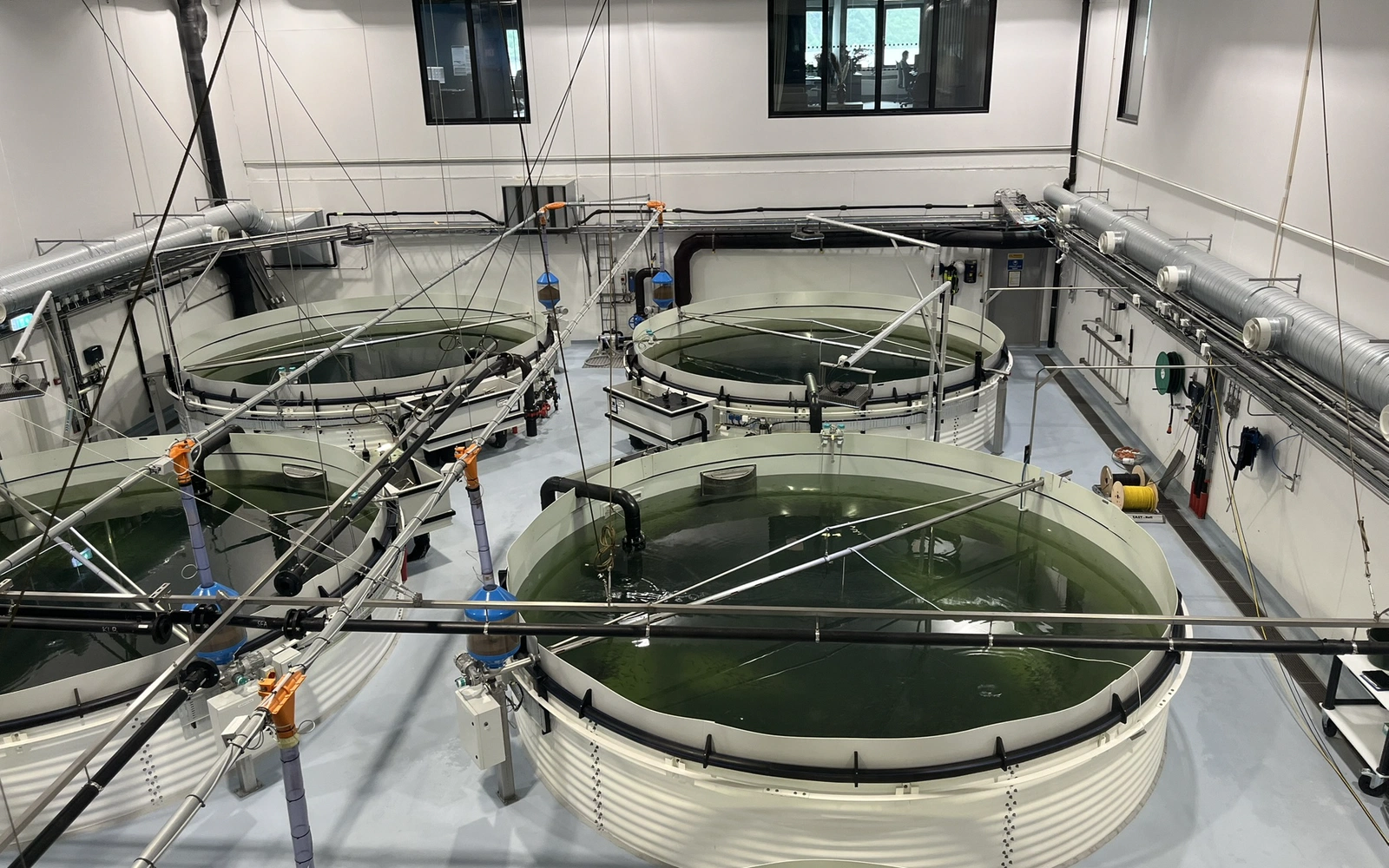
Land-based hatcheries, smolt facilities and recirculating aquaculture systems.
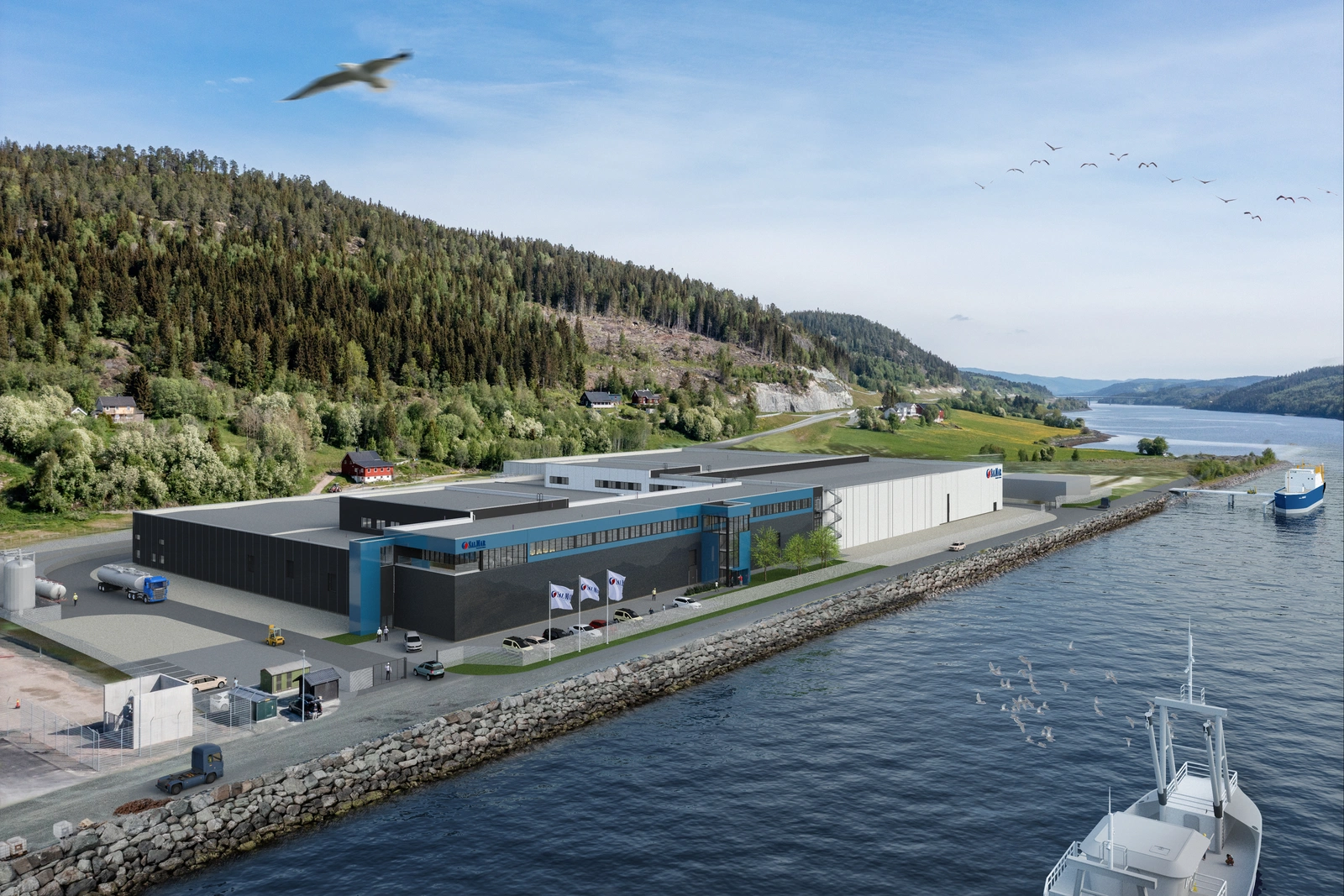
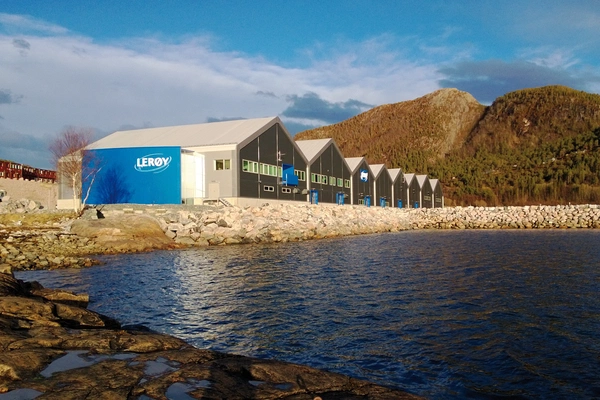
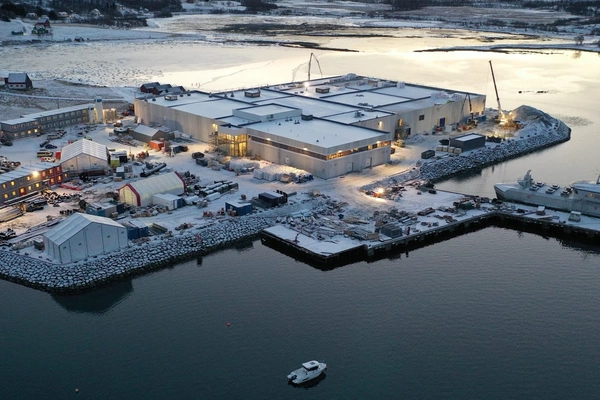
Land-based aquaculture has gone from trial installations to heavy industry within a few decades, and the practice has designed facilities throughout that development. The clients range from newly established companies to groups that have built out in several rounds.
The fish live in the building
Through the whole production cycle the fish live inside the building, and the facility is shaped around that. The tank layout is set first, the water treatment sets the geometry, and the building structure follows it. The humidity of the indoor climate places stricter demands on materials than most expect, and the materials are chosen accordingly.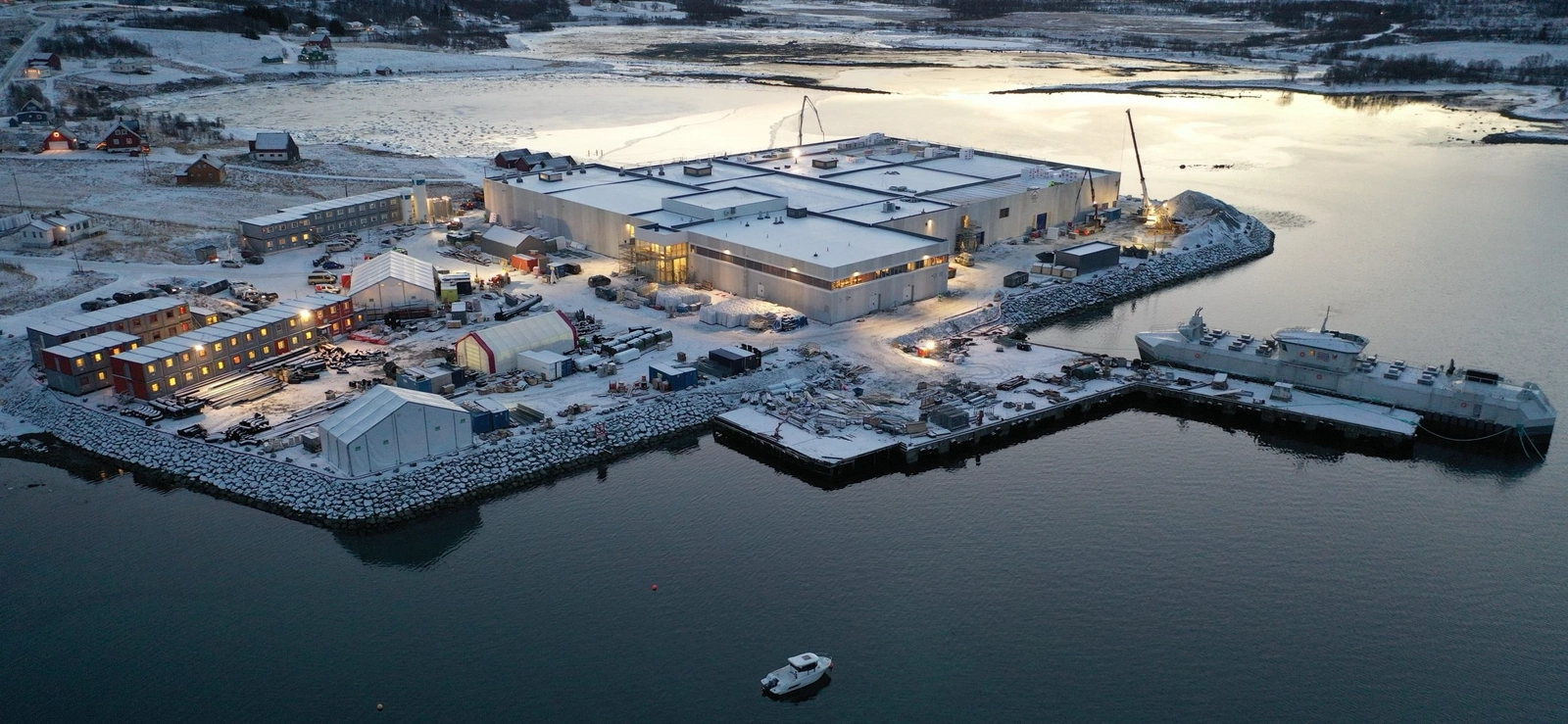
Biosecurity as the driver
Biosecurity separates departments and fish groups, and zones, airlocks and access control are part of the plan, not an addition. The water treatment infrastructure is a heavy driver in the geometry, and pumps, biofilters and oxygenation are placed so they can be maintained without production stoppages.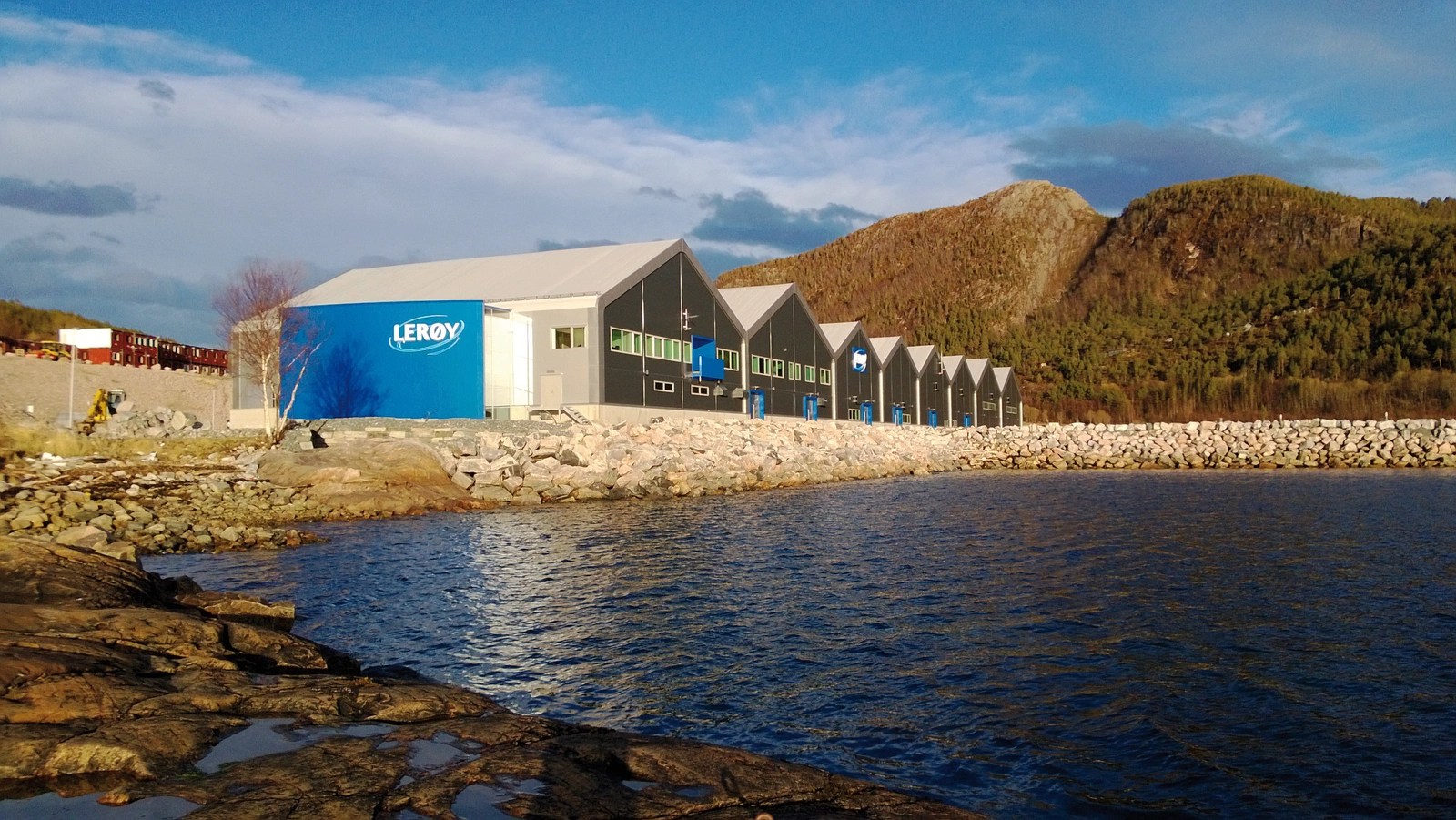
Growth in stages
The build-out almost always happens in stages, and each new stage has to be brought into operation without risk to the fish in the previous one. Reserves in structure and service routes are planned in from the start, so capacity can grow without interfering with the live production. The portfolio holds everything from compact coastal sites to large inland RAS facilities, covering new builds, expansions in operation and feasibility studies.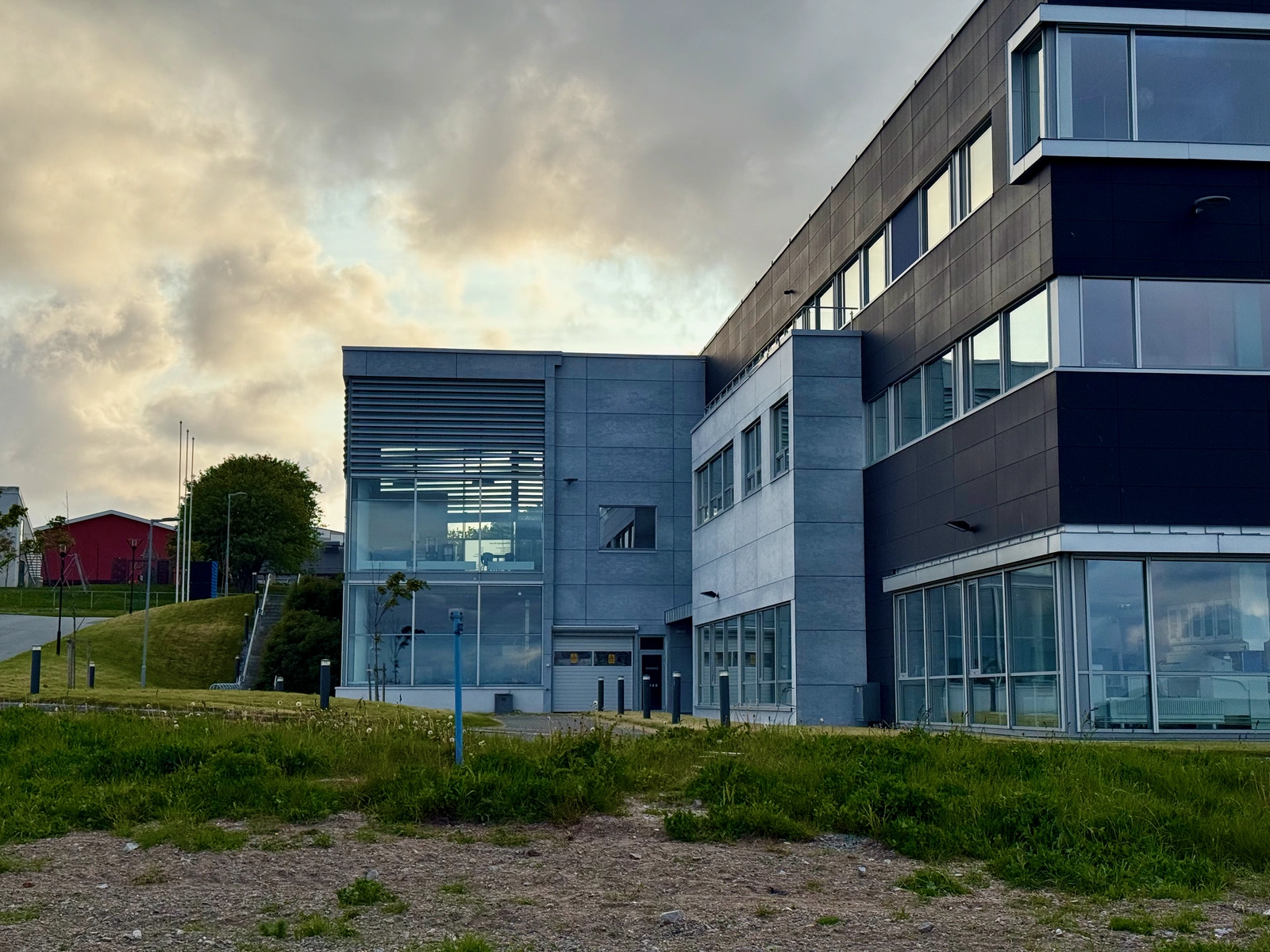
Requirements and welfare
Smolt and land-based facilities are designed for biosecurity, fish welfare and process-water treatment, to the requirements of the Norwegian Food Safety Authority and the Directorate of Fisheries. The documentation of those requirements follows the drawings through the whole building case, so the facility can be brought into operation with no deviations to correct afterwards.